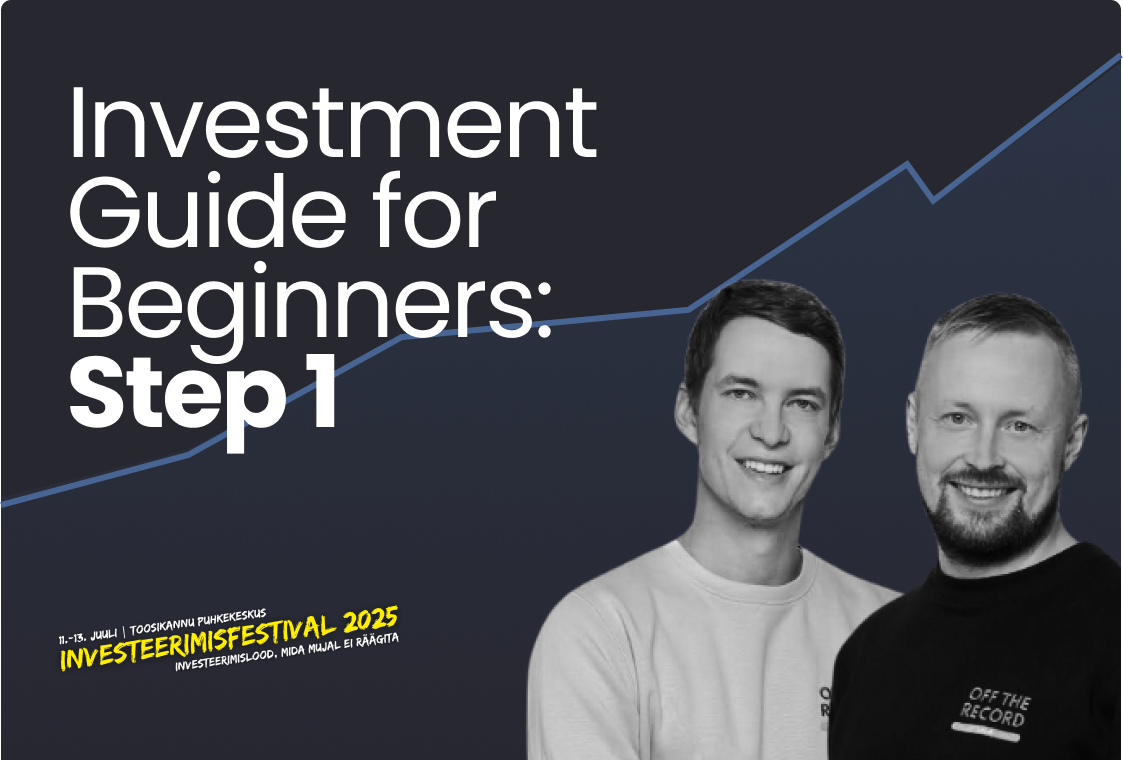
Before making your first investment, it’s crucial to understand the basics. Knowledge helps you avoid expensive mistakes, reduce losses, and sets the foundation for long-term success.
Why Learning Matters Before You Buy
For many beginners, the world of investing feels like learning a new language — full of technical terms, charts, and choices. It can be overwhelming. That’s exactly why education comes first. When you understand how things work, you’re far more likely to stay confident and calm, even when markets aren’t.
My own journey didn’t start with a trade — it began with study. I spent hours reading online investment guides, flipped through financial publications during lunch breaks, and tried to make sense of complex terms. I read my first few books (The Slight Edge, Rich Dad Poor Dad) and found friends to talk investing with. It wasn’t until six months later that I felt ready to place my first order — buying my first publicly listed shares.
Books: A Shortcut to Decades of Experience
Books are one of the best ways to get started. In just a few hundred pages, you can access the insights of investors who’ve spent decades in the market.
There’s a saying:
Reading one book gives you someone else’s opinion. Reading ten helps you form your own. Reading a hundred shapes your philosophy.
Recommended titles:
- The Psychology of Money – Morgan Housel
- The Millionaire Next Door – Thomas J. Stanley, William D. Danko
- Rich Dad, Poor Dad – Robert Kiyosaki
- The Intelligent Investor – Benjamin Graham
- Die With Zero – Bill Perkins
Podcasts: Learn While You Live
Short on time? Podcasts are a great way to absorb ideas while walking, driving, or cleaning.
I’ve also been involved in podcasting myself — I helped launch an investment podcast that grew into 150 episodes, featuring investor interviews and expert talks.
Some suggestions:
- The Iced Coffee Hour
- The Investor’s Podcast Network
- Animal Spirits
- BiggerPockets Money Podcast
Blogs & Communities: Learn from Real People
Blogs are like behind-the-scenes diaries of real investors. You’ll see how different people approach markets, what mistakes they’ve made, and how they think. Today, many share updates via Substack or Instagram, offering bite-sized learning with personal insights.
Suggested blogs:
A Wealth of Common Sense
Mr. Money Mustache
- Millennial Money
- Four Pillar Freedom
- Of Dollars And Data
Forums & Groups: Find Your People
Investing doesn’t have to be lonely. Whether it’s a Facebook group, Reddit thread, Discord server, or classic forum, these communities are where ideas flow and support thrives.
Popular communities include:
- Reddit: r/investing, r/personalfinance
- Bogleheads Forum
- FinTwit (Finance Twitter)
- Discord channels focused on investing
Events: Learning Live & In Person
After a while, nothing beats face-to-face conversations. Meeting other investors gives you new perspectives, practical tips, and motivation.
Look for meetups, finance conferences, or virtual investment summits in your area or online. These events often feature panels, Q&As, and networking that help deepen your understanding.
Masterminds & Friend Circles: Go Further Together
Having a crew of like-minded friends can multiply your learning. When you share ideas, challenge each other, and support one another’s progress — that’s when real momentum happens.
Most successful investors don’t go it alone. They grow with people who share their mindset.
Over the years, I’ve joined several investing circles and mastermind groups. Many of my closest friends today are fellow investors and entrepreneurs, and I credit much of my progress to the support we’ve shared.
Final Thoughts: Invest in Your Knowledge First
Looking back, combining different types of learning — books, podcasts, community, real talk — helped me grow with clarity and confidence. I made fewer costly mistakes, achieved better results, and met some lifelong friends along the way.
If you’re just starting out, don’t rush into buying stocks. Take your time. Learn, ask, connect. This is the true first investment — and it pays off more than any trade ever could.